
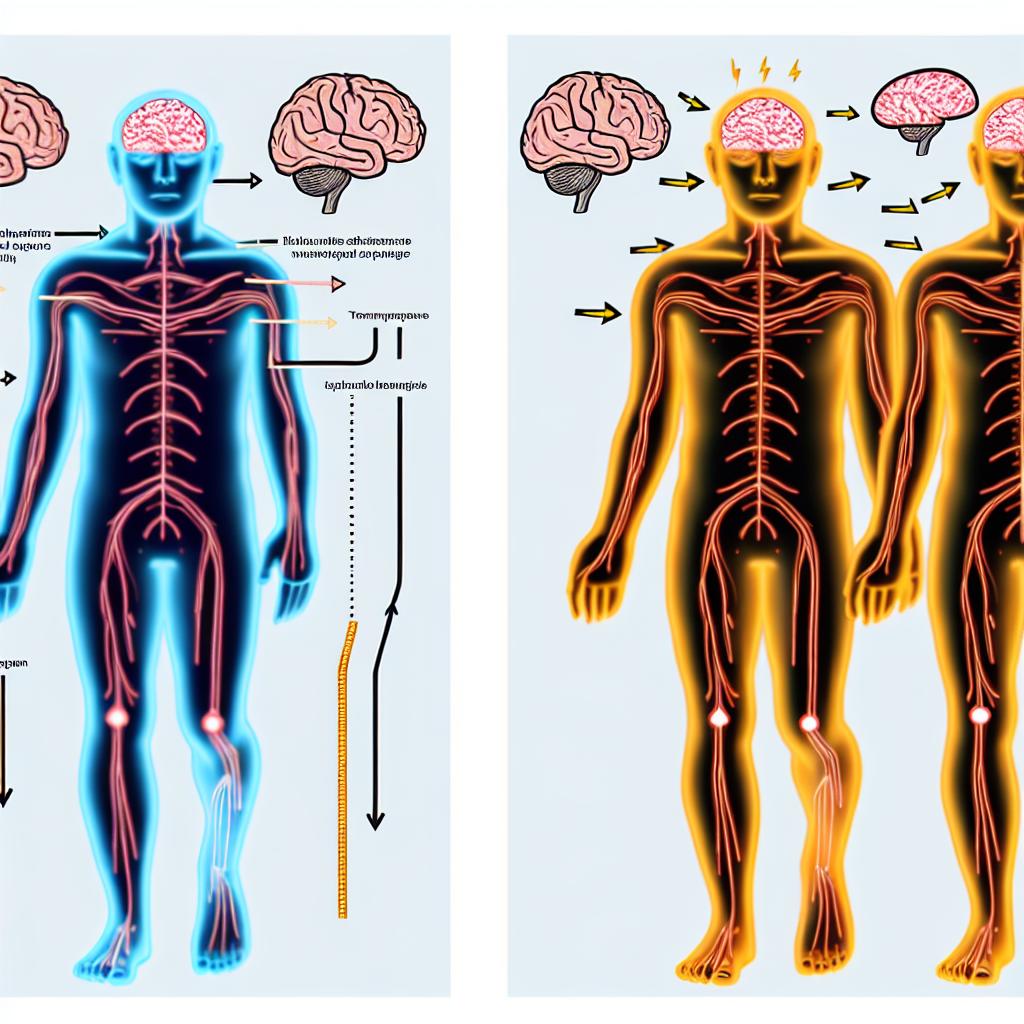
Understanding LSD and Its Impact
LSD, or lysergic acid diethylamide, is a powerful hallucinogenic drug that significantly alters brain chemistry and physiology. Known for its profound psychological effects, LSD has been a subject of both intrigue and concern in scientific and medical communities. Understanding the impact of LSD on the brain and body requires an exploration of how it interacts with neurotransmitters and the subsequent physiological responses.
How LSD Affects the Brain
LSD primarily influences the brain by interacting with the serotonin receptor system. Serotonin is a neurotransmitter that plays a crucial role in regulating mood, perception, and cognition. When LSD binds to serotonin receptors, particularly the 5-HT2A subtype, it disrupts normal brain communication, leading to altered sensory perception and thought patterns. This interaction is central to the drug’s hallucinogenic effects, bridging the gap between chemical changes and experienced phenomena.
The neural network disorganization caused by LSD affects several brain areas, including the sensory cortex, resulting in experiences such as synesthesia. Synesthesia is a phenomenon where senses blend, leading to experiences where individuals might “hear colors” or “see sounds.” Such cross-modal sensory perceptions highlight the extensive influence of LSD on the brain’s functioning. This receptor activity also enhances overall brain connectivity, leading to an altered sense of time and space.
The disruption extends beyond isolated sensory experiences. LSD is known to dissolve the boundaries between different cognitive networks, resulting in a more unified brain activity pattern. This integration can enhance creativity and promote novel thinking patterns but also leads to the chaotic and sometimes overwhelming nature of the LSD experience.
Physiological Effects on the Body
Apart from its psychological impact, LSD induces various physical effects. Users might experience increased heart rate, elevated blood pressure, and a higher body temperature. These are common stimulant-like effects associated with many psychoactive substances, indicating a considerable activation of the sympathetic nervous system.
Dilated pupils and sweating are common physiological responses as the body reacts to the drug’s presence. While these changes are mostly transitory, they can become distressing for some individuals, particularly if they lead to heightened physical discomfort or anxiety. Users may also experience dizziness, dry mouth, and nausea as the body adjusts to the potent effects of the drug.
While the focus is often on the drug’s impact on the central nervous system, it is crucial to recognize the comprehensive physiological alterations occurring throughout the body. Though typically not life-threatening, these effects highlight the importance of understanding and respecting the powerful influence of LSD.
LSD and Emotional Responses
The emotional effects of LSD are closely tied to its impact on brain activity. The heightened connectivity within the brain can lead to intense introspective experiences—some describe them as spiritual or enlightening. This is often attributed to the disintegration of the “default mode network,” a brain network associated with ego function, and self-referential thoughts.
However, the disruption of normal serotonin function can also result in negative emotions, including anxiety and paranoia. Such experiences can be profound, leaving an individual in a state of heightened emotional vulnerability. This dual potential underscores the unpredictable nature of LSD’s impact on mood and emphasizes the importance of a supportive and controlled environment.
LSD’s effects on emotional processing can provide insight into deeper psychological states, leading to revelations or altered perspectives on personal issues. While not universally positive, these experiences underline the interaction between the drug and the inherent psychological landscape of the user.
Potential Therapeutic Benefits
Recent research has explored the possible therapeutic applications of LSD and other psychedelics. There is growing interest in studying its potential for treating psychological disorders such as depression and PTSD. Notably, studies suggest that the psychedelic experiences induced by LSD can lead to lasting improvements in mental health conditions when administered in a controlled therapeutic context.
Early findings suggest that, under controlled conditions, LSD might help recalibrate dysfunctional brain networks. This therapeutic potential is partly due to the drug’s ability to enhance neuroplasticity, facilitating the creation of new connections and pathways in the brain. This capacity for brain reorganization is fundamental to understanding the drug’s impact on conditions characterized by rigid and maladaptive thought patterns such as chronic depression.
Furthermore, LSD’s capacity to dissolve ego-centric thought patterns and promote self-transcendent experiences can play a significant role in psychological healing. By temporarily altering self-perception, individuals may gain new insights into their lives and conditions, which traditional therapeutic approaches might not easily access. For further understanding, you can explore research efforts being conducted by organizations such as MAPS (Multidisciplinary Association for Psychedelic Studies).
Conclusion
LSD continues to be a compound of great interest due to its profound effects on the human brain and body. While it can induce captivating and complex changes in perception and emotion, the unpredictability of these effects necessitates a cautious approach. Ongoing scientific research is essential in elucidating both the therapeutic potentials and risks associated with its use. Understanding these dimensions will deepen our understanding of consciousness and mental health treatment, offering promising yet cautious insights into the world of psychedelics.
As research progresses, the potential to harness LSD’s effects therapeutically might transform mental health practices, offering hope for novel treatment pathways. Balancing this hopeful outlook with a clear and grounded understanding of the drug’s risks and benefits will be vital in shaping future approaches to psychedelic therapies. A nuanced appreciation of both the scientific and experiential aspects of LSD is crucial in responsibly integrating these substances into therapeutic settings.